Share Your Vision and Expertise at WCFS 2025!
Abstract submission for WCFS 2025 is now closed.
Are you a pioneer in sustainable urban waterfront development or innovative floating solutions? The call for abstracts invited researchers, designers, engineers, architects, policymakers, and practitioners to share insights and case studies.
Submission Process & Key Dates
1. Abstract submission
Submit your abstract using the provided template for review by the International Scientific Committee.
16 May 2025
2. Abstract Acceptance Notification
Receive confirmation regarding the acceptance of your abstract. If feedback is provided, take the opportunity to revise and strengthen your submission accordingly.
Ongoing process since February 2025
3. Conference Registration to Confirm Presentation
To secure your spot in the conference program, please complete your registration. Once registered, begin preparing your 10-minute presentation to ensure you’re ready to showcase your work.
31 May 2025
4. Full Paper Submission (optional)
Upon acceptance of your abstract, submit your complete paper for further evaluation, following the guidelines provided in the acceptance notification.
31 May 2025
5. Presentation at WCFS in Espoo, Finland
Present your research at the conference and share your insights with a global audience of peers, industry professionals, and stakeholders.
1-3 September 2025
6. Publication of Proceedings with Springer (optional)
Accepted papers will be published in the official conference proceedings by Springer, contributing to the global body of knowledge on floating solutions — with no publication fee.
End of the year 2025
Topics
Floating Solutions for Sustainable Urban Development: Lack of Land
Urban Waterfronts and Floating Infrastructure
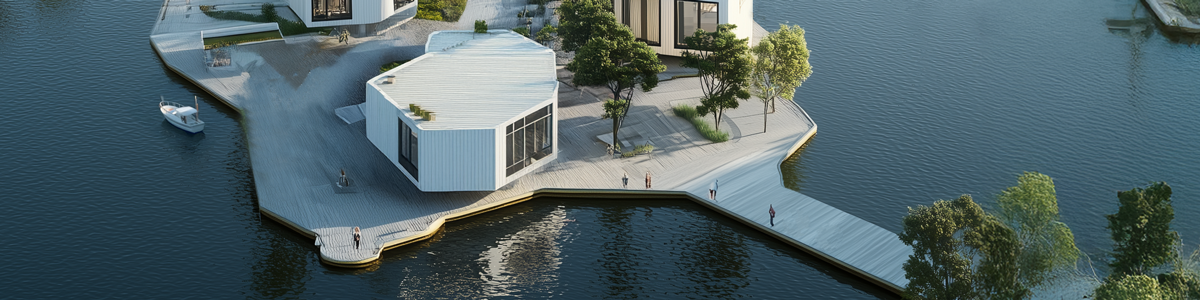
Floating infrastructure enables the creation of new building volumes in urban areas, transforming waterfronts to accommodate private real estate developments, public parks, recreational spaces, and transit systems, addressing urban space constraints while improving city waterfronts.
Offshore Renewable Energy
Floating wind and solar technologies that provide sustainable energy solutions, reducing the land footprint and supporting coastal energy needs in an eco-friendly way.
Climate-Resilient Floating Communities
Floating residential communities designed to withstand rising sea levels and flooding, offering adaptive housing and other supportive solutions that contribute to urban climate resilience, taking into consideration hybrid structures.
Sustainability and Environmental Impact
Focuses on the environmental impact of floating solutions, including eco-friendly construction materials, waste reduction, and biodiversity preservation, highlighting sustainable practices that support marine ecosystems and urban development.
Economic Opportunities in the Blue Economy
Analyzes the economic benefits of floating solutions and sustainable mariculture, driving job creation, boosting coastal economies, and supporting ocean-based economic resilience.
Community Engagement and Policy Support
Explores the role of community involvement and policy frameworks to ensure floating projects are inclusive, socially accepted, and beneficial for all stakeholders.
Marine and Coastal Spatial Planning
Examines spatial planning that incorporates floating solutions to address environmental challenges in coastal areas, promoting balanced resource use and environmental preservation.
Technological Innovations and Specialized Uses
Covers advancements in floating technology and materials, with specialized applications like floating launch platforms, nuclear facilities, and large-scale ocean cleanup projects.
To ensure a smooth evaluation process, please download and use the provided abstract template available at the registration form. Submissions that do not follow the template guidelines may regrettably not be considered for review.
The abstract should include the paper title, the author names, and the affiliations of authors. The abstract should briefly describe the background, motivation, method/modeling, and the results of the research work. The author(s) should avoid inserting references and equations in the abstract. The abstract should be less than 300 words.
Register nowPrevious WCFS Publications
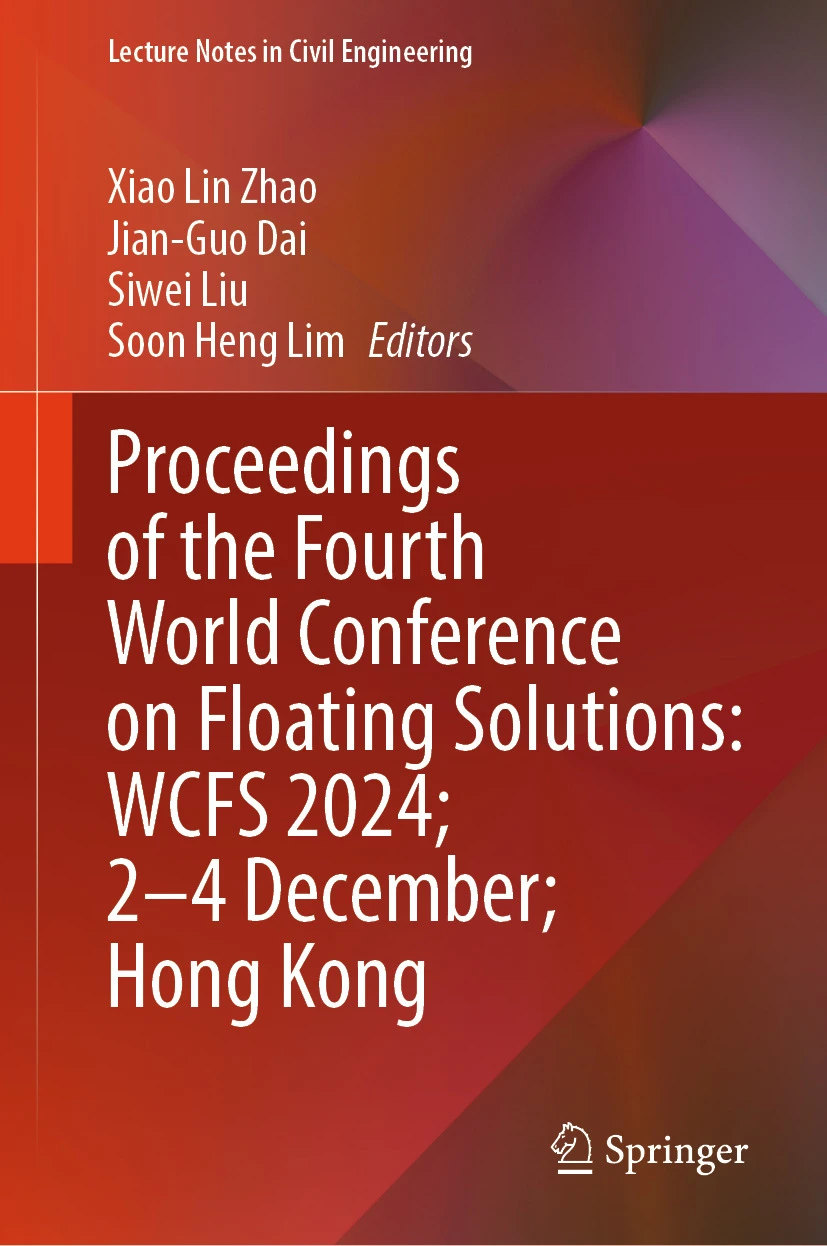
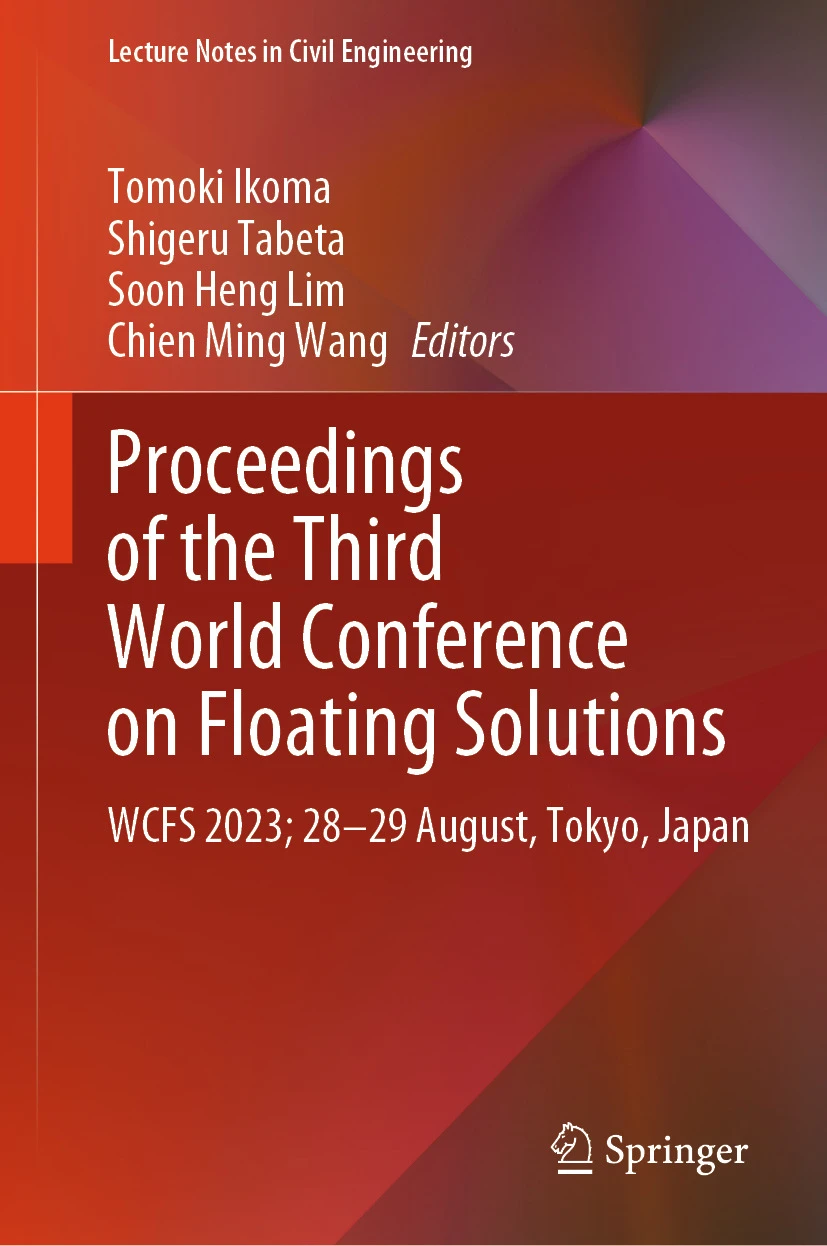
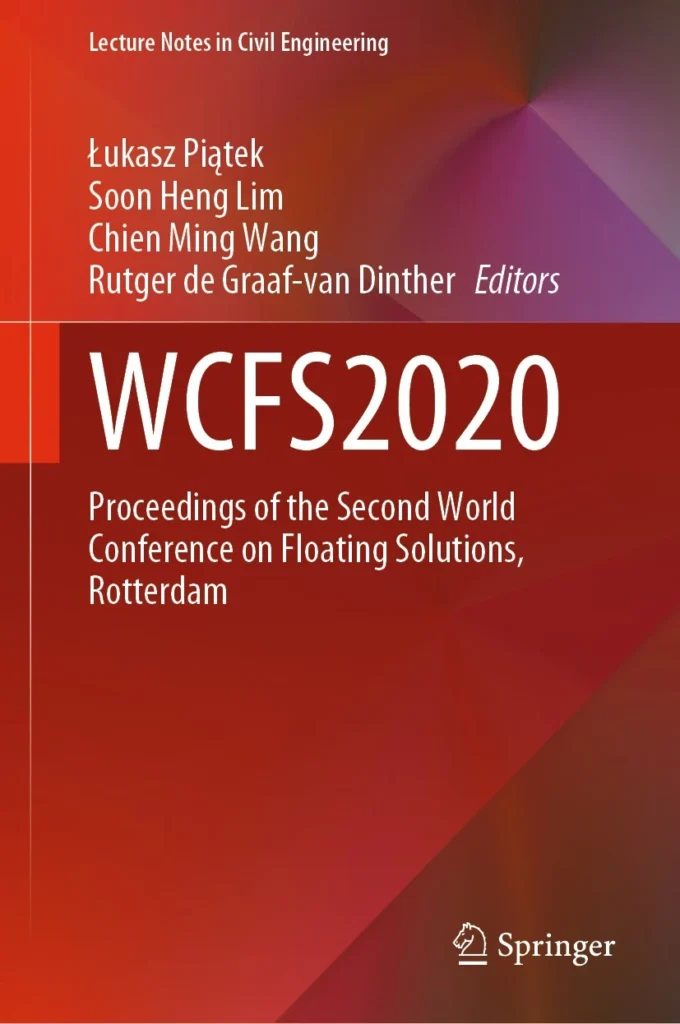
The WCFS conferences (2019–2024) have a strong tradition of publishing cutting-edge research on floating solutions. Accepted abstracts became full manuscripts, published by Springer as key resources for professionals and researchers.
WCFS204
Proceedings of the Fourth World Conference on Floating Solutions 2024, Hong Kong
WCFS2023
Proceedings of the Third World Conference on Floating Solutions,
Tokyo
WCFS2020
Proceedings of the Second World Conference on Floating Solutions, Rotterdam
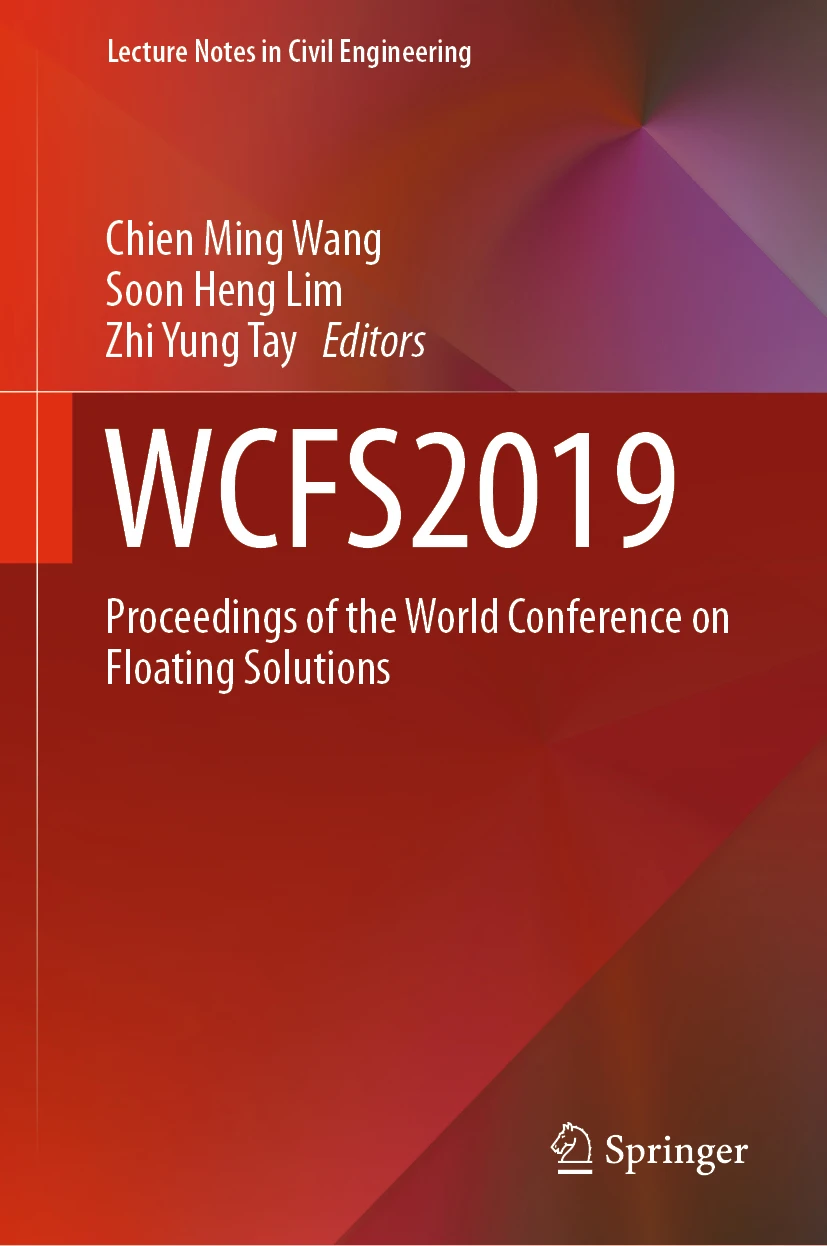
WCFS2019
Proceedings of the World Conference on Floating Solutions,
Singapore